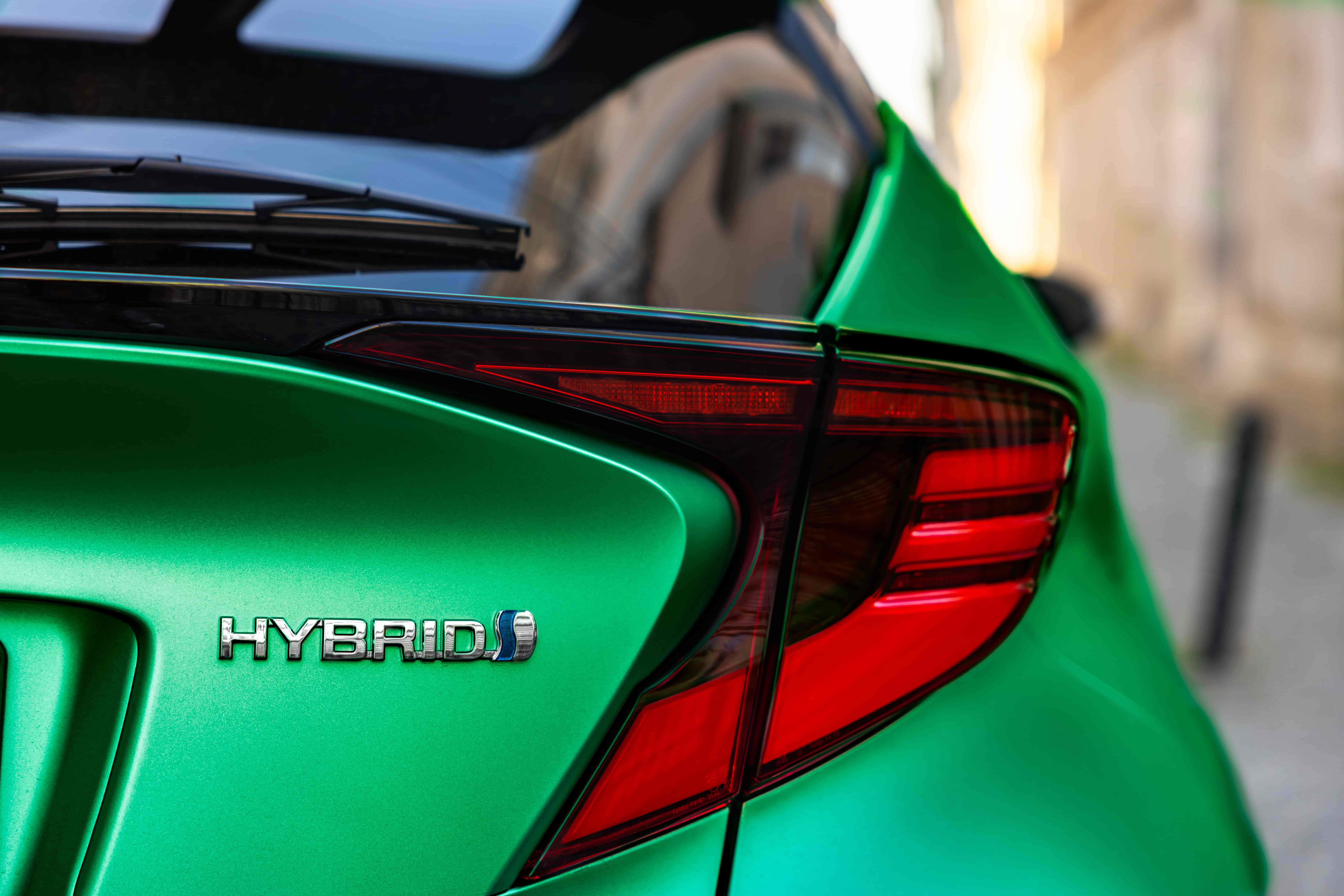
You are standing on the dealership lot, coffee in hand, staring at two very different futures. On your left sits a sensible, fuel-sipping Toyota RAV4 Hybrid. It promises 40 miles per gallon and familiar reliability. On your right sits a futuristic, silent Tesla Model Y. It promises zero gas bills forever and cutting-edge tech. The dilemma of Hybrid vs electric car cost fills your mind with numerous thoughts swirling around.
The salesperson is pushing the electric vehicle (EV), claiming the higher sticker price pays for itself in gas savings. Your bank account, however, is screaming that the cheaper hybrid is the safer bet. Who is telling the truth?
In the world of automotive financial health, feelings might not matter, but spreadsheets do. In this guide, we strip away the marketing hype and run a cold, hard hybrid vs electric car cost analysis over a 5-year ownership cycle. The winner might surprise you.
The Contenders: Defining the Technology
Before we look at the price tags, we need to understand what you are actually buying, as the maintenance curves for these two technologies are radically different.
The Hybrid (HEV)
The "Safety" Play A standard hybrid (like the RAV4 or Honda CR-V Hybrid) uses a gas engine assisted by a small electric motor. You never plug it in.
Pros: No lifestyle change required. You buy gas, but less of it.
Cons: You have "Double Trouble." You still have an engine (oil changes, spark plugs, transmission fluid) plus a battery system.
The Electric Vehicle (BEV)
The "All-In" Play A fully electric car (like the Model Y or Ioniq 5) ditches the engine entirely.
Pro: Zero engine maintenance. No oil, no belts, no transmission fluid.
Con: You are dependent on the charging grid, and the battery is a single, massive point of failure (though warranted).
The 5-Year Math: Toyota RAV4 Hybrid vs. Tesla Model Y
To get out of the hybrid vs electric car dilemma, let’s simulate the ownership costs for an average American driver covering 15,000 miles per year. We will compare the 2025 Toyota RAV4 Hybrid XLE against the 2025 Tesla Model Y Long Range.
1. The Upfront Cost (The Barrier to Entry)
Toyota RAV4 Hybrid: Starts around $34,000.
Tesla Model Y: Starts around $45,000.
The Reality: Even with federal tax credits, the Hybrid is usually $8,000 to $11,000 cheaper out the door. That is money that could be sitting in a high-yield savings account earning interest, rather than sitting in your driveway losing value.
2. Fuel vs. Electricity (The Daily Drain)
Toyota (40 MPG @ $3.50/gal): You burn 375 gallons a year. Annual Cost: ~\1,312.
Tesla (3.5 mi/kWh @ $0.16/kWh): You consume 4,285 kWh. Annual Cost: ~\685.
The Winner: The EV saves you roughly $627 per year on fuel. Over 5 years, that is a $3,135 advantage. (Note: This gap narrows if you rely on expensive public Superchargers).
3. Insurance Premiums (The Hidden Killer)
This is the statistic most buyers ignore until it is too late. In 2025, insurance data shows that EVs are significantly more expensive to insure due to higher repair costs and write-off risks.
Toyota: A standard reliable SUV. Avg. Premium: $1,800/year.
Tesla: Classified as a luxury/performance vehicle with high repair costs. Avg. Premium: $3,000/year.
The Winner: The Hybrid saves you $1,200 per year on insurance.
The Shock: The insurance savings on the Hybrid wipes out the gas savings of the EV.
4. Depreciation (The Silent Tax)
Which car will be worth more in 2030?
Toyota: Hybrids have historically held rock-solid value. Expect to retain 55-60% of its value.
Tesla: EV prices are volatile due to price cuts and rapid tech obsolescence. Expect to retain 40-45% of its value.
The Winner: The Hybrid acts as a better store of wealth.
The "Plug-in Hybrid" (PHEV) Wildcard
Is there a middle ground? Yes: The Plug-In Hybrid (PHEV), like the RAV4 Prime or Prius Prime. These cars have a larger battery that allows for 40 miles of pure electric driving before the gas engine kicks in.
The Strategy: If you commute less than 30 miles a day, you can drive on electricity 90% of the time, getting the EV fuel savings without the high EV insurance premiums.
The Downside: They are often expensive upfront (MSRP often tops $42,000).
Hybrid vs Electric car: What Should You Opt for?
When you add up the purchase price, fuel, insurance, and resale value, the math in 2025 heavily favors the Hybrid.
Buy the Hybrid IF:
- You drive average mileage (10k - 15k miles/year).
- You live in a state with high insurance rates (like Florida or Michigan).
- You want a "set it and forget it" financial asset that holds its value.
Buy the Electric Vehicle IF:
- You drive extreme mileage (25k+ miles/year). The fuel savings eventually overpower the insurance costs.
- You can charge at home for cheap (or have solar panels).
- You qualify for the full $7,500 federal tax credit and state rebates, which closes the upfront price gap.
Conclusion
Don't buy an EV just to "save money" unless you have done the specific math for your insurance zip code. For many drivers, the humble hybrid remains the champion of financial health.


