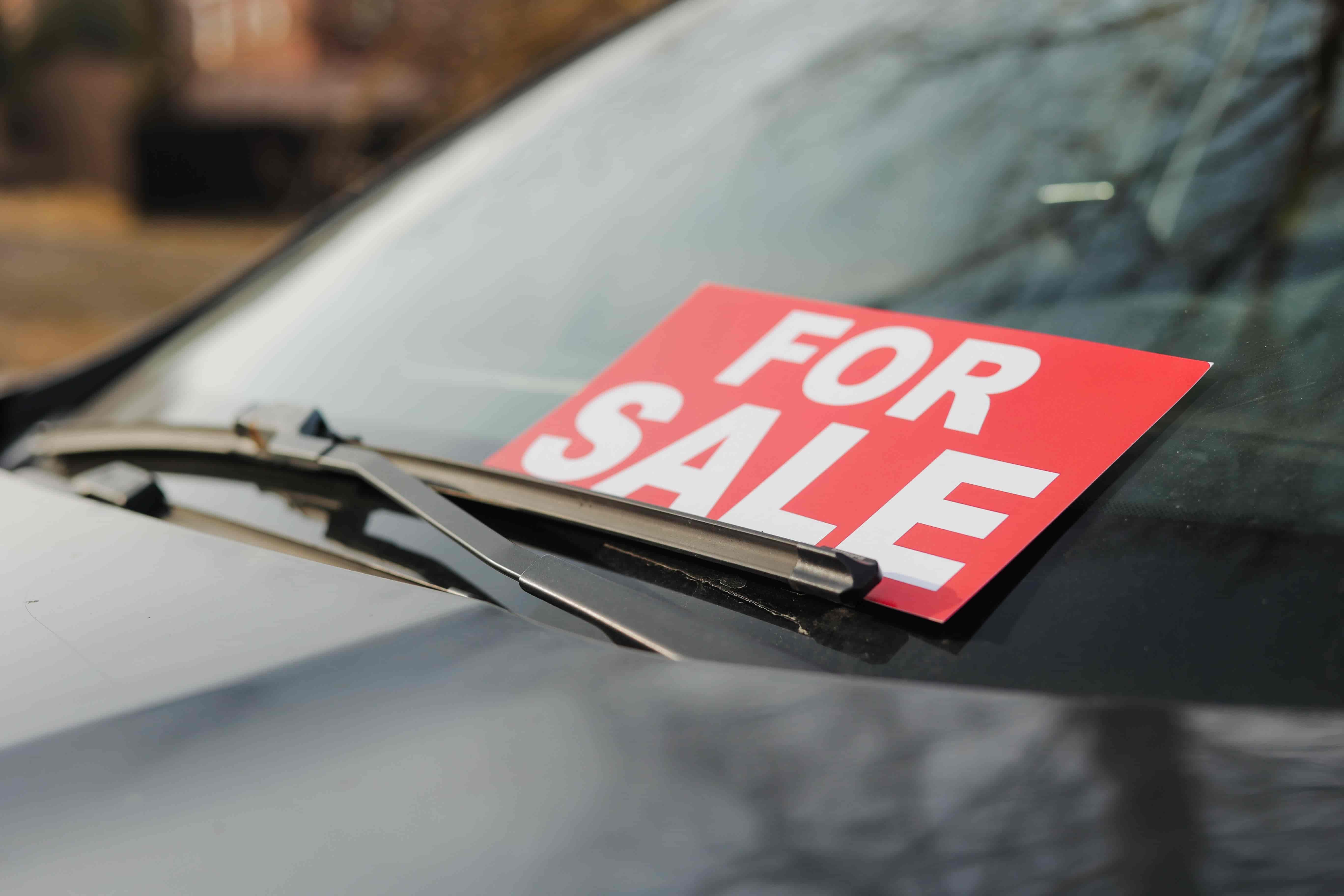
Does the thought of selling your financed car feel like trying to solve a math problem while juggling? You are not alone. Most drivers assume they are "stuck" with their vehicle until the final payment is made.
Can you actually sell a car that the bank still technically owns? The answer is yes, and it is far less complicated than you imagine. Here is the step-by-step playbook to unlocking your equity and handing over the keys legally and safely.
Step 1: The "Napkin Math" (Equity Check)
Before you list the car, you must know where you stand financially. The bank holds the title (the "Pink Slip") as collateral. To get that title to give to a new buyer, the loan must be paid to $0.
Call your lender or log into your portal and find the "10-Day Payoff Amount." This is different from your current balance because it includes the daily interest that will accrue over the next week.
Now, do the math:
(Current Market Value of Car) – (10-Day Payoff Amount) = Your Equity
Positive Equity: Your car is worth $25,000. You owe $15,000. You pocket $10,000 from the sale.
Negative Equity (Underwater): Your car is worth $20,000. You owe $24,000. You must pay the bank $4,000 of your own cash to sell the car.
Step 2: The "Easy Button" (Selling to a Dealer)
If you are trading in your car or selling it to a giant like CarMax or Carvana, the process is invisible to you.
How it works: You sign a "Power of Attorney" form that allows the dealer to talk to your bank.
The Money Flow: The dealer sends a check directly to your bank to pay off the loan. If you have positive equity, they cut you a separate check for the difference. If you have negative equity, you hand them a cashier's check or roll the debt into your new loan.
The Result: You pay for this convenience with a lower offer price, but you save dozens of hours of paperwork.
Step 3: The Private Sale (Maximizing Profit)
Selling to a private party usually nets you thousands more, but the logistics are trickier because the buyer can’t get the title until your bank gets paid. Here are the two safest ways to handle it.
Option A: Meet at the Buyer's Bank (or Yours) to Sell the Car
- This is the old-school, reliable method.
- Meet the buyer at a local branch of your bank (if you have a local lender).
- The buyer hands the teller a cashier's check for the payoff amount.
- The teller processes the payment and hands the Lien Release document directly to the buyer.
- You sign a Bill of Sale, take the remaining profit (if any), and remove your license plates.
Option B: Use an Escrow Service (The Modern Way)
If your bank is an online-only lender (like Ally or Capital One), you can't "meet at the branch." In 2025, the best solution is a verified automotive escrow service like KeySavvy.
How it works: The buyer sends money to the escrow service. The service verifies the funds, pays off your loan directly, and pays you the difference.
The Benefit: It acts like a digital dealer. They handle the title transfer and guarantee the buyer gets their title, removing the "trust" issue from the equation.
The "Electronic Title" Trap (Watch Out!)
Many states (like Florida, California, and Texas) use ELT (Electronic Lien and Title) systems. This means a paper title does not exist until the loan is paid.
The Delay: Once the loan is paid, the DMV prints the paper title and mails it. This can take 2 to 4 weeks.
The Fix: You cannot hand the title to the buyer on the spot. You must fill out a specific state form (often called a "Transfer of Ownership / Power of Attorney") that legally transfers ownership pending the arrival of the paper title. Be transparent with your buyer about this delay upfront.
Final Thoughts
Having a loan doesn't mean you don't own the asset. Instead, it just means you have a partner in the transaction.
If you have positive equity, don't let the fear of paperwork stop you from claiming it. Call your bank today, get that payoff number, and see exactly how much cash is sitting in your driveway.


