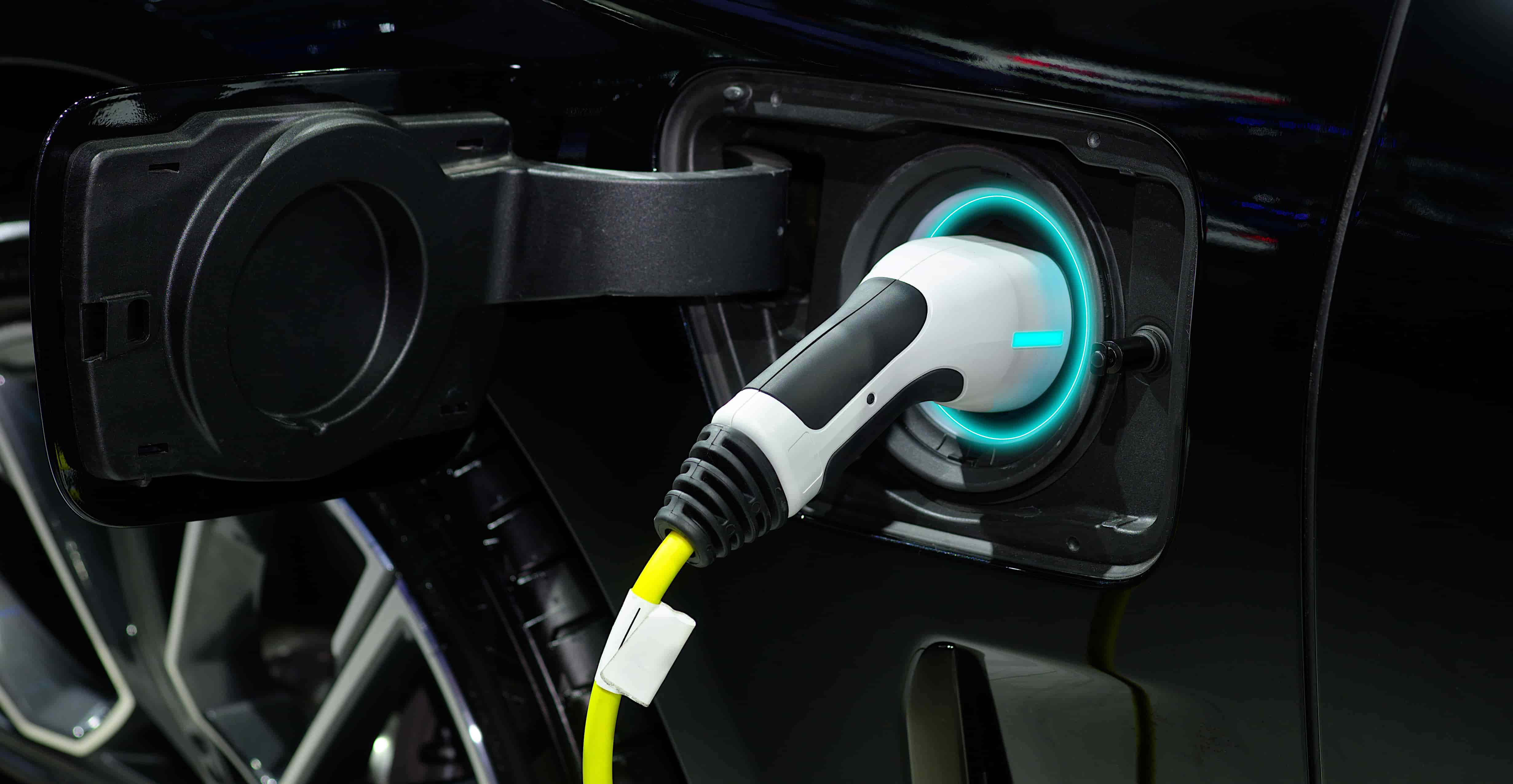
It is the horror story every EV skeptic loves to tell: "Sure, you save money on gas, but wait until the battery dies in five years and you have to pay $15,000 to replace it!"
It is a terrifying thought. In a gas car, a dead battery costs $200 at an auto parts store. In an electric car, the battery is the car, often accounting for 30% to 40% of its total value. But does this catastrophic failure actually happen, or is it a myth left over from the days of the first iPhone? Here is the data-driven truth about how long do EV batteries last and why you can probably stop worrying.
The "Cell Phone" Myth
We all have "battery trauma" from our phones. After two years, your phone barely holds a charge, so we assume cars will do the same. The Difference: Your phone has no cooling system. It cooks in your pocket and freezes in your car. EV batteries, however, have sophisticated Thermal Management Systems. They are liquid-cooled and heated to stay at the perfect operating temperature (usually around 70°F) whether it is snowing or scorching outside.
Because of this protection, EV batteries degrade much slower than phone batteries. Data from thousands of high-mileage Teslas and Nissans shows an average degradation of just 1.8% per year.
The 100,000-Mile Warranty Safety Net
You don't need to cross your fingers and hope the battery lasts. The federal government forces manufacturers to guarantee it. The law states that every EV sold in the USA must come with a battery warranty of at least 8 years or 100,000 miles.
What it covers: If the battery fails completely OR if its capacity drops below a certain threshold (usually 70%), the manufacturer must replace or repair it for free.
The Reality: If your battery is going to have a manufacturing defect, it will almost certainly happen within that 8-year window.
So, How Much Does a Replacement Actually Cost?
Let’s say you are the unlucky outlier who keeps the car for 15 years and the battery finally dies out of warranty. What is the damage?
The Cost: Provided the EV components costs don’t rise in 2026, a full battery replacement typically ranges from $5,000 to $15,000, depending on the car.
The Context: This sounds huge, but compare it to a gas car. If you drive a gas engine to 200,000 miles, you are likely looking at a transmission rebuild ($4,000) or an engine overhaul ($6,000). All machines wear out. The EV just has one big expensive part instead of ten smaller expensive parts.
The "Module" Solution
Here is the secret repair shops are starting to offer: You rarely need to replace the entire battery pack. EV batteries are made of smaller "modules" (like LEGO bricks). Often, only one or two modules go bad.
The Fix: Specialized shops can open the pack, swap out the two bad modules for $1,500 - $3,000, and get you back on the road. You don't throw away a whole flashlight just because one battery is dead; you swap the battery. The same logic is coming to EVs.
Final Thoughts: Fear vs. Fact
Battery failure is possible, but statistically, it is rare. Most modern EV batteries are engineered to last 300,000 to 500,000 miles. By the time your battery actually dies of old age, the car will likely be 15+ years old, and you might be ready for an upgrade anyway. Don't let a "what if" scenario stop you from saving money today.


