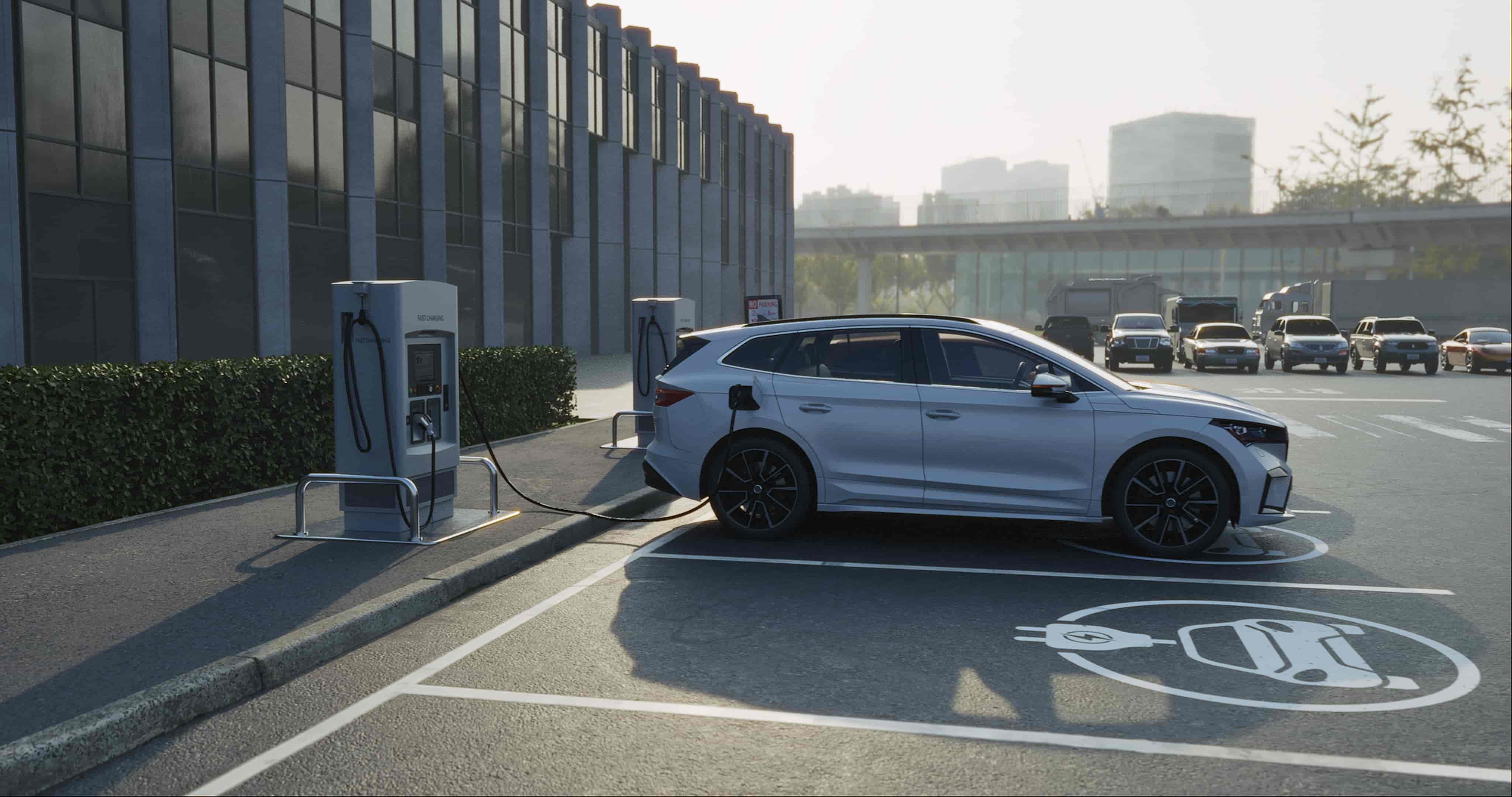
Have you ever wished your smartphone only charged while you were standing next to a specific pole in a grocery store parking lot? Sounds frustrating right?That is the ultimate reality of relying solely on public EV charging.
The true magic of electric ownership is the "iPhone experience", plugging in at night and waking up to a full battery, every single morning. But before you can say goodbye to gas stations forever, you need to upgrade your garage. How much does it actually cost to build your own personal fueling station? Let’s break down the math.
Understanding Level 1 vs Level 2 Charging Speeds
Before you spend a dime, you need to know what you are buying. Not all electricity flows at the same speed, and the difference determines your lifestyle.
Level 1 Charging (The "Free" Option): Every EV comes with a cord that plugs into a standard 120-volt household outlet (like your toaster).
The Cost: $0 (if you have an outlet).
The Speed: Painfully slow. You get about 3 to 4 miles of range per hour. It takes 24+ hours to fill a battery. This is only viable if you drive less than 30 miles a day.
Level 2 Charging (The "Standard" Option): This uses a 240-volt connection, similar to what your clothes dryer or electric stove uses.
The Cost: Requires equipment and installation (details highlighted below).
The Speed: 25 to 45 miles of range per hour. You can charge from 0% to 100% while you sleep. For most homeowners, this is the necessary upgrade.
The Hardware: Analyzing Home EV Charger Price
The first line item on your bill is the actual charging unit, technically called the EVSE (Electric Vehicle Supply Equipment). While some cars (like Teslas) come with a mobile connector that can handle Level 2 speeds, most drivers prefer a dedicated wall-mounted unit.
You can buy these online or at hardware stores. Popular brands like ChargePoint, Wallbox, and Emporia dominate the market.
Basic "Dumb" Chargers: These simply deliver power. They are reliable and cheaper. Cost: $350 - $450.
Smart "Wi-Fi" Chargers: These connect to an app, allowing you to schedule charging for off-peak hours (when electricity is cheaper) and track your spending. Cost: $500 - $750.
Financial Tip: Check your local utility company’s website. Many offer rebates of $200 to $500 if you buy a specific Energy Star-rated charger, effectively cutting this cost in half.
The Electrical Work: Installing a NEMA 14-50 Outlet
This is the variable that scares people. Unless you are a certified electrician, you should not do this yourself. You are dealing with high-voltage currents that can melt wires or cause house fires if done incorrectly.
The electrician’s labor cost depends entirely on the layout of your home. They need to run a thick copper cable from your main breaker panel to your garage.
Scenario A (The Easy Install): Your breaker panel is already in the garage, right next to where you park. The electrician installs a NEMA 14-50 outlet (the standard 240V receptacle) right next to the box. Estimated Cost: $300 - $600.
Scenario B (The Long Run): Your panel is in the basement or on the opposite side of the house. The electrician has to drill through walls or run conduit along the exterior siding. Estimated Cost: $800 - $1,500.
Hardwired Charger vs. Plug-In: Which is Better?
When the electrician arrives, you have a choice: do you want a plug (NEMA 14-50) or a hardwired connection?
The Plug-In Approach: The electrician installs a big outlet. You plug your charger into it.
- Pros: Portable. If you move, you unplug the charger and take it with you.
- Cons: Slightly higher install cost (you have to buy a GFCI breaker and a high-quality industrial receptacle).
The Hardwired Charger Approach: The electrician connects the copper wires directly inside the charger unit. There is no plug.
- Pros: It looks cleaner (no visible plug). It is safer for outdoor installations (weatherproof). It can often deliver higher speeds (48 amps vs. 40 amps).
- Cons: It is a permanent fixture. You have to pay an electrician to disconnect it if you move.
The Hidden Monster: Electrical Panel Upgrade Cost
There is one scenario that can blow your budget. If you live in an older home (built before 1980), you might have a 100-amp electrical panel that is already maxed out by your AC, oven, and dryer. Adding an EV charger might overload the system.
If an electrician determines your panel cannot handle the load, you will need a "Service Upgrade" to 200 amps.
The Cost: $2,500 - $4,000.
The Silver Lining: This adds significant value to your home and makes it safer, but it is a painful upfront expense just to charge a car.
Final Thoughts
Spending $1,500 to install a plug might seem steep, but remember the "Fuel Math" from our previous article. If you are saving $1,000 a year on gas, this installation pays for itself in about 18 months.
After that, you are profiting. Plus, having a Level 2 charger in the garage increases your property value as EVs become the norm. It is not just a car accessory but a home improvement.


